
Real Results from Real Students
Each project on this page represents a student who moved from theory to complete production. These case studies track their progress through the learning program, showing the exact challenges they faced and how they solved them using techniques learned during sessions.
We document every major milestone in the learning path. You'll see what students created during group sessions, how they applied feedback in individual coaching, and where they struggled before finding solutions.
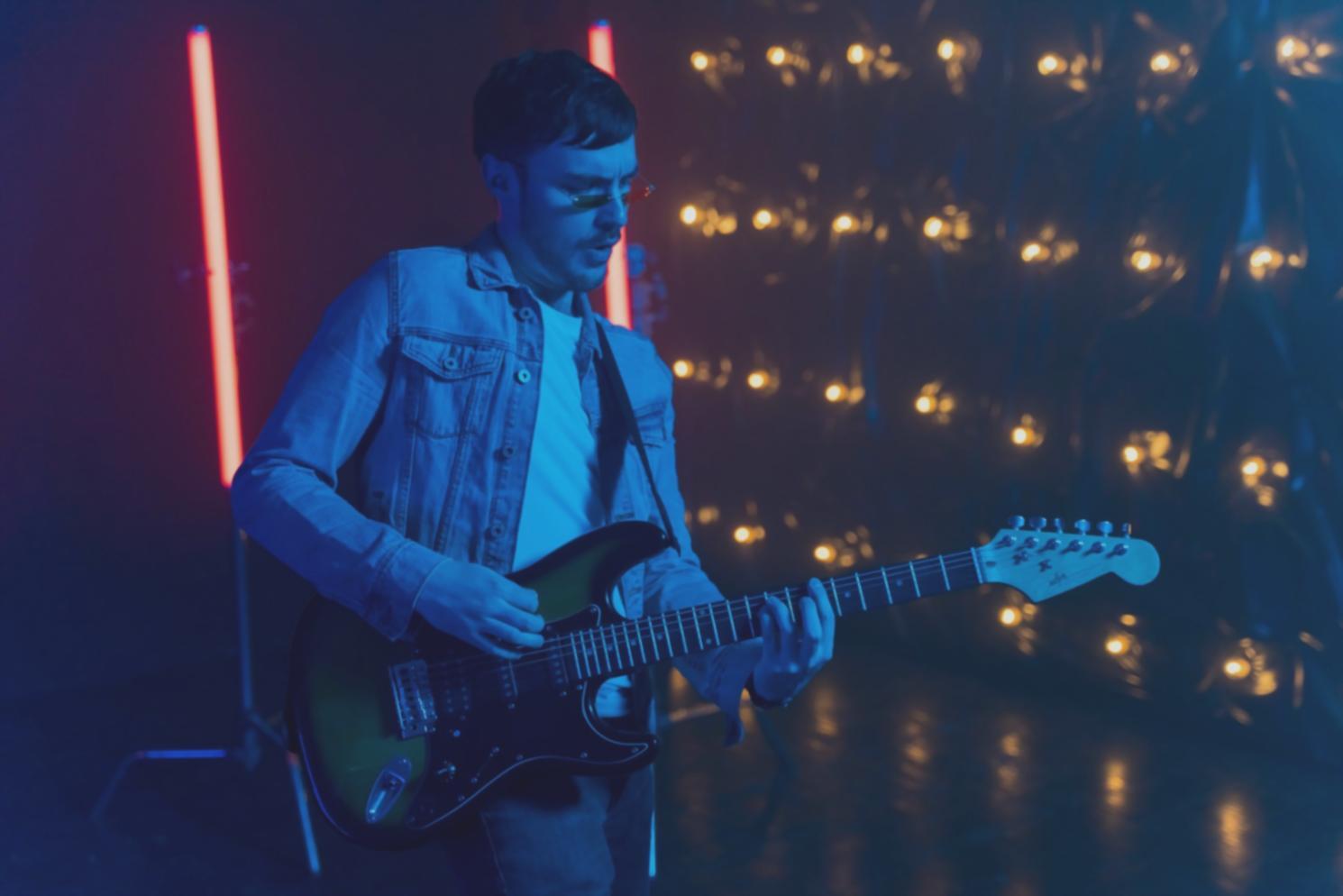
What Makes a Good Case Study
A useful case study shows the specific decisions a student made while building their track. Not just the final result, but the reasoning behind arrangement choices, mix adjustments, and instrument selection.
We include timeline details because learning pace varies widely. Some students spend weeks perfecting one section, others move through projects quickly but circle back for refinement.
Completed student projects documented
Average weeks from start to finished track
Hours of recorded session feedback
Students who complete at least one project
I went through three versions of the chorus before finding the right balance. The individual session where we analyzed frequency masking changed how I approach mixing entirely.

Student Projects and Learning Paths
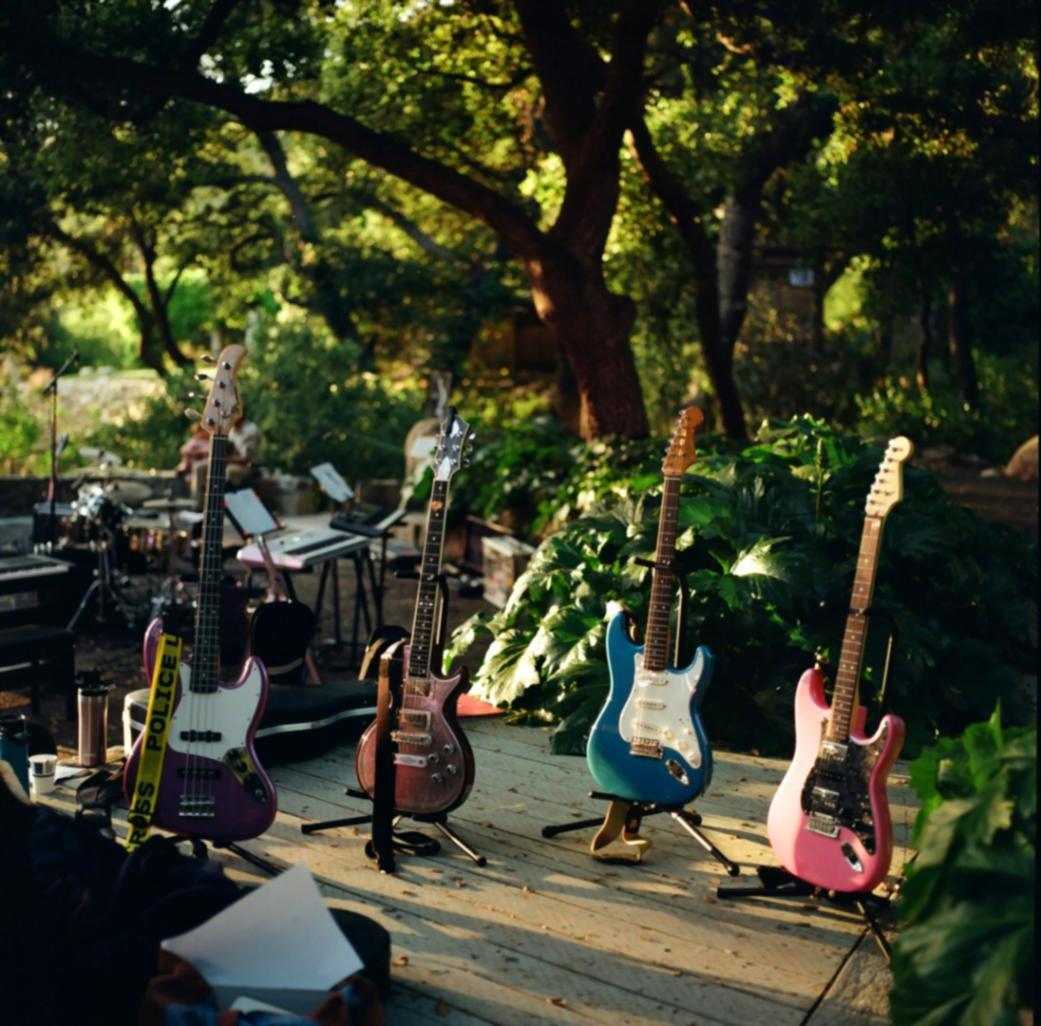
How to Finish Songs Without Overthinking
A freelance songwriter shares how restructuring the creative process helped complete 12 tracks in three months after years of abandoned projects.
read full case arrow_forward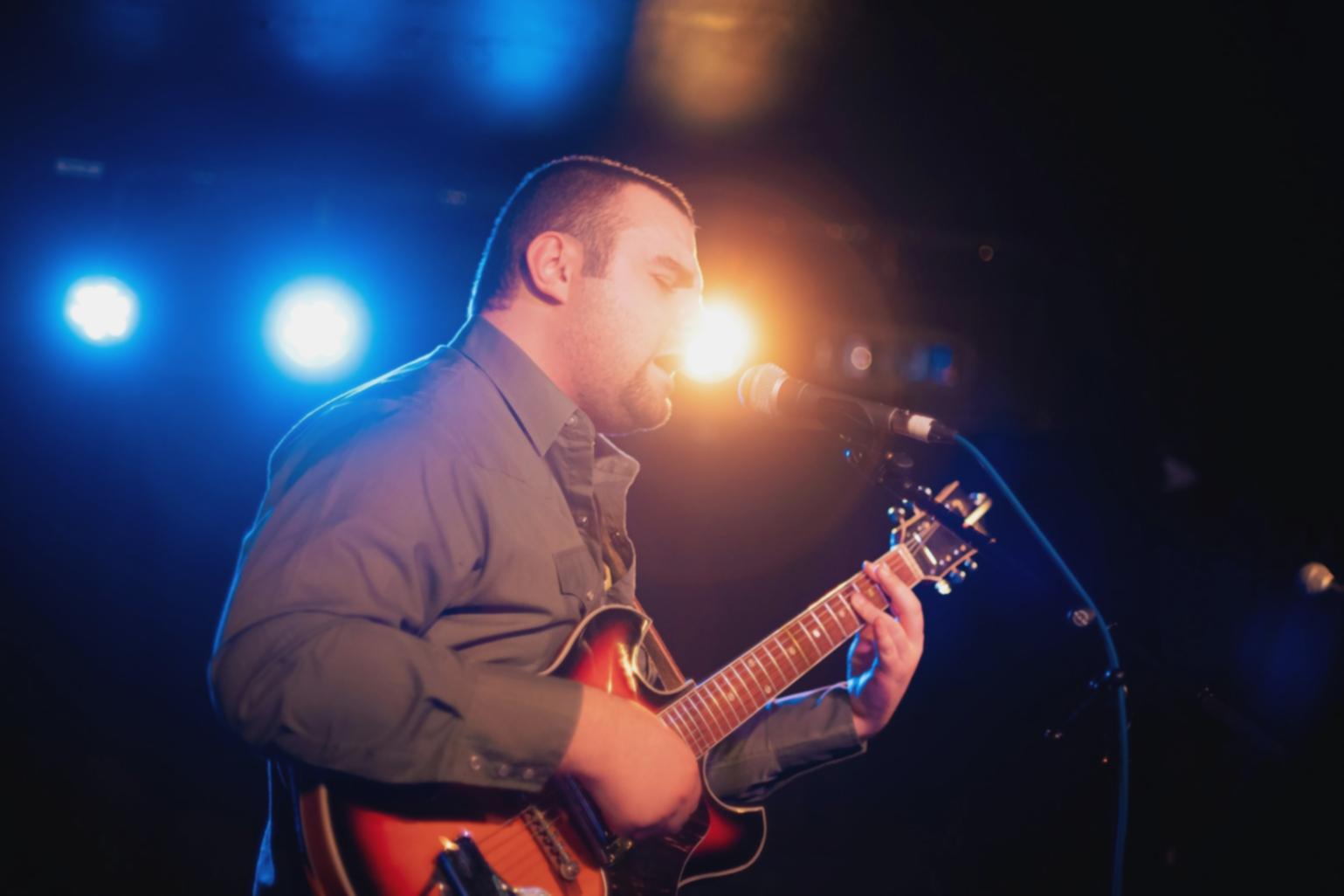
Finding Fresh Chord Progressions When Stuck
A freelance composer explains how switching from piano-based writing to alternative instruments generated new harmonic ideas after hitting creative repetition.
read full case arrow_forward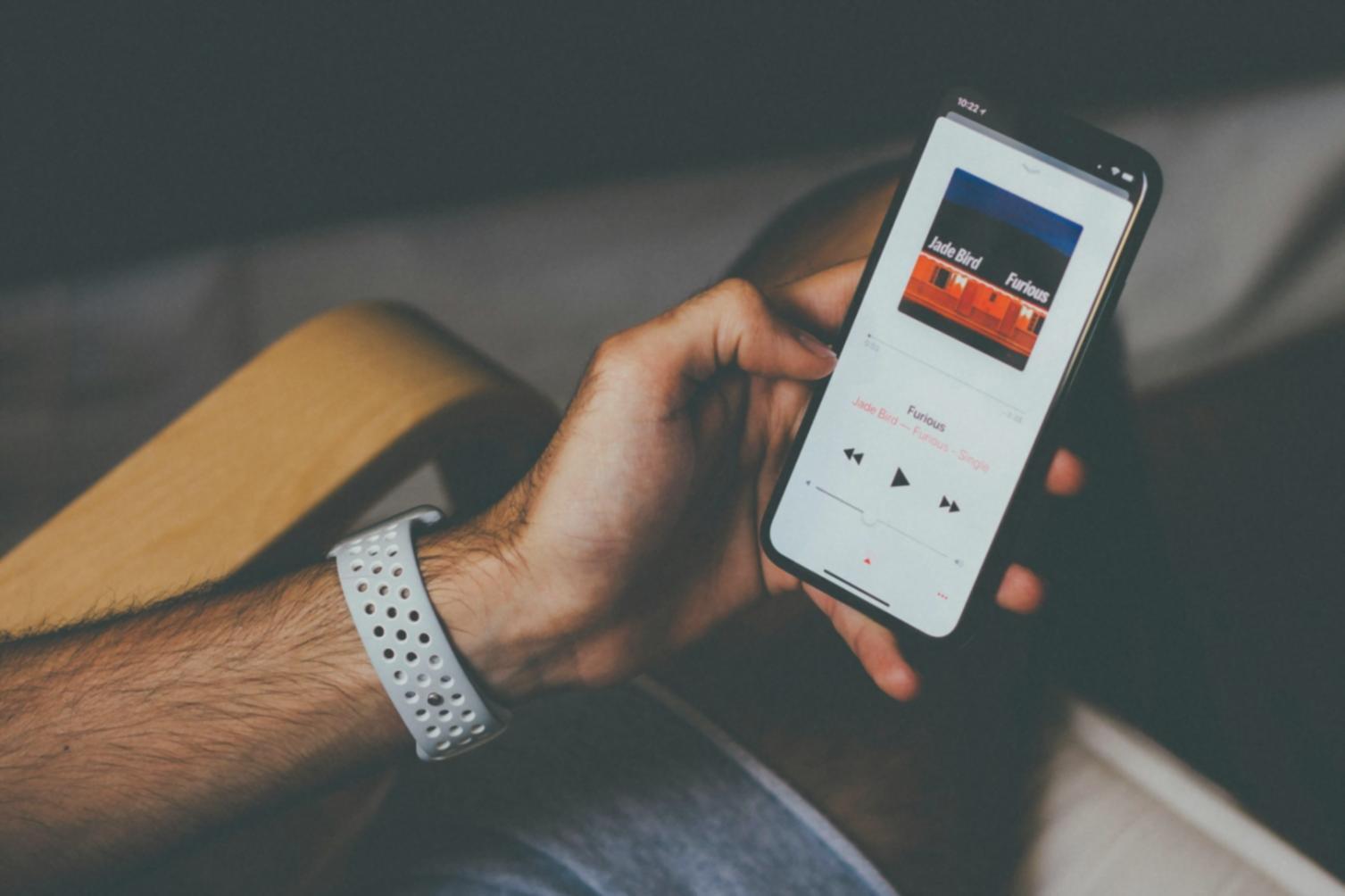
Writing Lyrics That Connect With Listeners
A freelance lyricist describes how replacing abstract imagery with concrete sensory details improved client satisfaction and reduced revision requests.
read full case arrow_forward
Building Melodies That Stay Memorable
A freelance songwriter reveals how limiting melodic range and adding intentional repetition created more singable hooks after complaints about complex lines.
read full case arrow_forward
Structuring Songs for Streaming Platforms
A freelance producer explains how shortening intros and repositioning choruses reduced skip rates and improved streaming performance for client releases.
read full case arrow_forward
Collaborating Remotely Without Losing Ideas
A freelance songwriter describes how implementing structured communication protocols prevented creative misunderstandings during remote collaboration sessions.
read full case arrow_forwardHow Students Apply Learning Methods
Most students start with group sessions where they work through the same exercises simultaneously. The instructor demonstrates a technique in real time while everyone follows along in their own DAW. This format works well for learning fundamental concepts like compression settings or EQ curves because students can immediately compare their results with others.
Group sessions typically run 90 minutes. The first half covers new material, the second half involves guided practice where students apply what they just learned to a portion of their current project.
During the second half of group sessions, the instructor listens to 3-4 student projects and provides specific feedback that the entire group hears. This creates a reference library of common mistakes and solutions that students use long after the session ends.
Around week 6-8, most students book their first individual session because they encounter problems specific to their genre or workflow. Individual sessions focus entirely on one project, allowing the instructor to dig into details that wouldn't be relevant to a full group.
Individual sessions run 60 minutes and address specific technical challenges or creative blocks. Students send their project file ahead of time so the instructor can review it before the session begins. This preparation allows the session to focus on solutions rather than diagnosis.
Common individual session topics include fixing muddy mixes, improving drum programming patterns, or restructuring arrangements that feel repetitive. These sessions often reveal gaps in fundamental understanding that get addressed through targeted exercises between sessions.
The instructor opens the student's project file and walks through it track by track, identifying which elements work and which need adjustment. This forensic approach helps students understand why certain choices fail even when they followed standard techniques correctly.
Students bring a professionally produced track in their target genre. The instructor analyzes both tracks side by side using metering tools and critical listening to identify specific differences in frequency balance, dynamics, and spatial placement.
Every four weeks, students submit their current project for a milestone review. The instructor evaluates progress against the learning path goals and recommends whether to continue with the current project or start a new one with a tighter focus on weak areas.
These reviews include written feedback documents that students reference throughout the following weeks. The feedback identifies 2-3 priority areas for improvement rather than listing every possible issue, which prevents students from feeling overwhelmed.
If a student struggles with the same concept for two consecutive milestone reviews, the instructor adjusts the learning path to include more foundational exercises before moving forward. This prevents students from accumulating knowledge gaps that compound over time.
Student Achievement Markers
First Complete Track
Finished a production from arrangement to mastering without instructor intervention
Technical Proficiency
Demonstrated consistent application of mixing and sound design fundamentals
Peer Feedback Provider
Actively contributed useful critique in group sessions over multiple weeks